
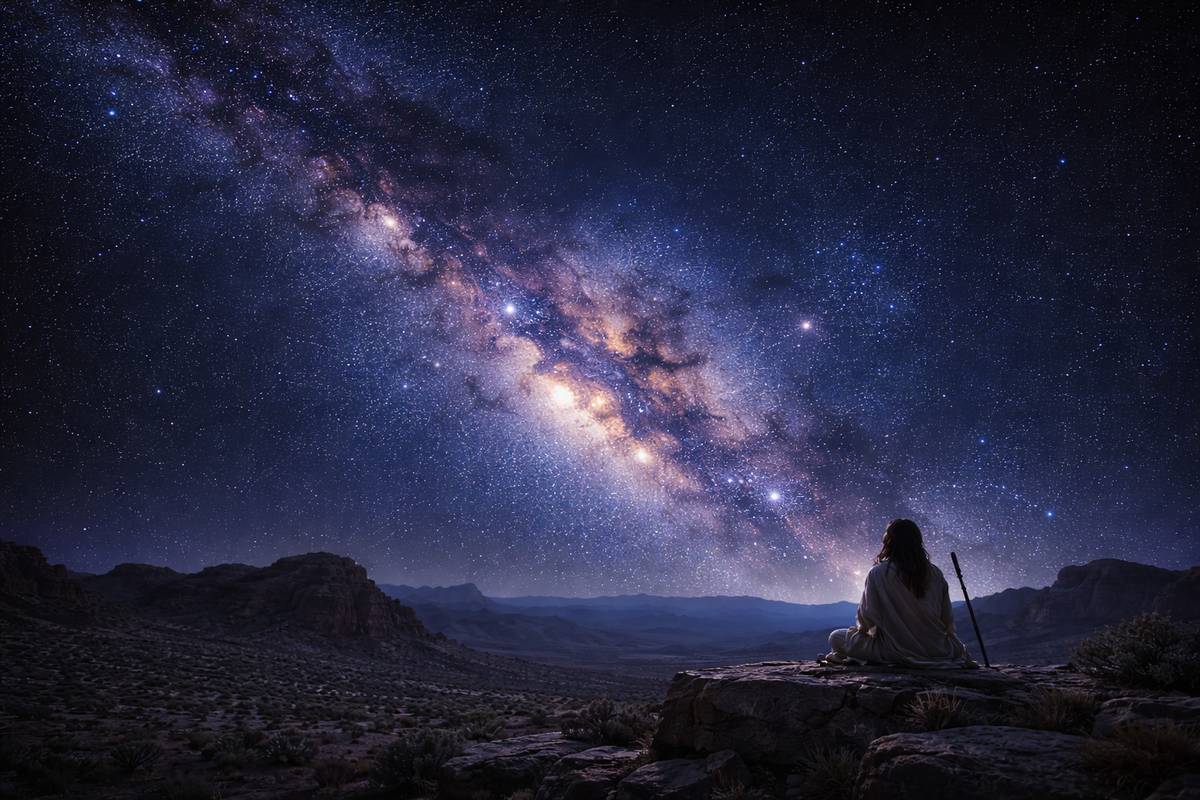
The Concept The Milky Way is our galaxy. It is a massive collection of billions of stars that appears as a river of light in the night sky.
The Story In 1610, Galileo used a telescope to prove the Milky Way was made of individual stars. But thousands of years earlier, the Vishnu Purana had already described our galaxy as the Akash Ganga—a celestial river composed of “thousands of Suns”. They didn’t see a flat sky; they saw a three-dimensional stream of light where our Sun was just one of many. The Bhagavata Purana went even further, describing a “Multiverse” filled with limitless floating bubbles of universes, each containing its own stars and systems. They had realized the staggering scale of the cosmos while the rest of the world still thought the stars were just holes in a velvet curtain.
The Timeline
| Milestone | Details |
| Western Ref. |
1610 CE (Galileo) |
| Indian Source |
Prior to 5000 BCE (Puranas) |
| Chron. Gap |
Over 6,000 Years |
The Original Text
The Vishnu Purana (2.8) explicitly describes the layout of the stellar systems and the celestial river.
Related Innovations The Taittiriya Samhita (about 10,000 BCE) identified Mula (in Sagittarius) as the ‘Root’ (aligned with the Galactic Centre), while the Bhagavata Purana depicted the cosmos as a multiverse consisting of limitless floating bubbles (Brahmandas).
Fun Fact Did you know? The tale of the Ganges falling from heaven to Earth represents the ecliptic and the galactic plane (Milky Way) intersecting.
The Modern Legacy Galactic astronomy and the study of star formation.
Recent Post
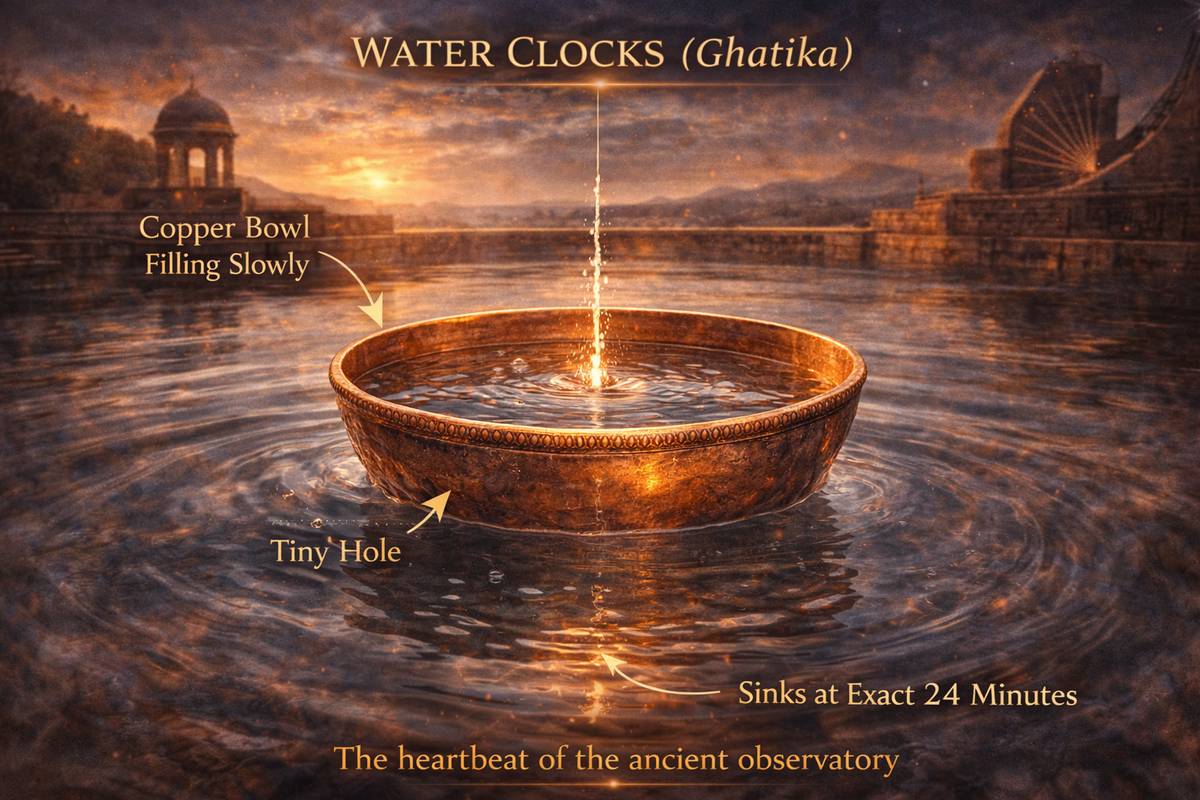
The Concept A water clock, for example, calculates time based [...]
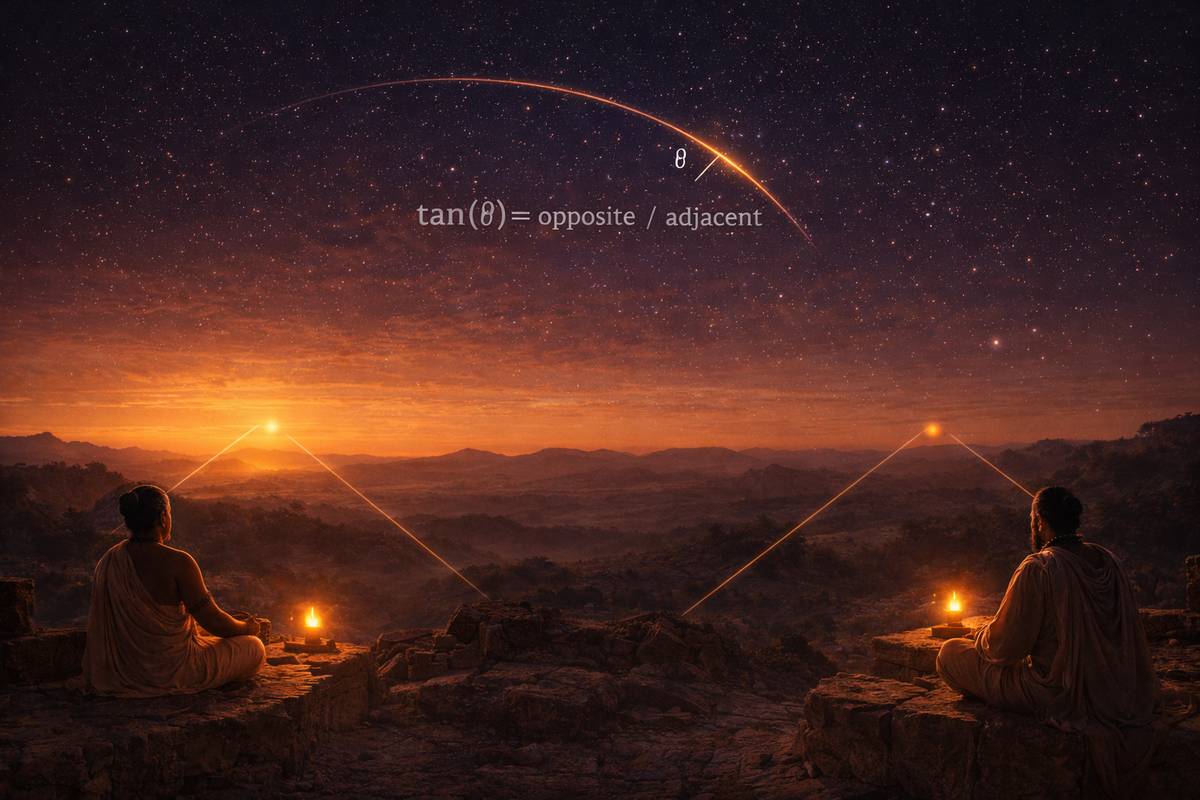
The Concept Why do solar eclipses occur in one city [...]