
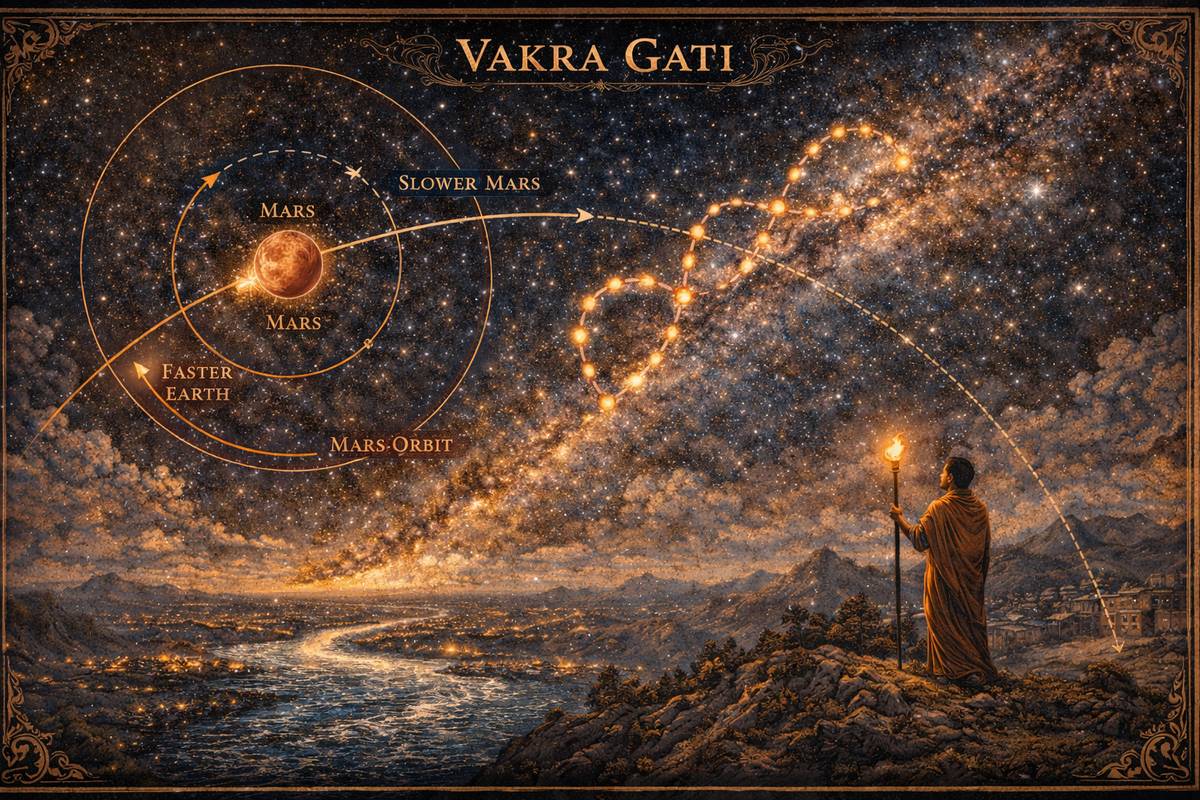
The Concept Planets sometimes appear to be moving backwards in the sky. This is an optical illusion created when Earth passes by a slower outer planet, such as Mars.
The Story Sometimes, a planet appears to stop in the sky and move backward—a phenomenon that baffled ancient observers. While most cultures viewed this as a chaotic omen, the Surya Siddhanta classified it as Vakra Gati, an optical illusion. They realized that because the Earth and other planets move at different speeds, we occasionally “overlap” them like a fast car passing a slow one on a track. By calculating these “Synodic periods” without telescopes, they could predict exactly when Mars would “turn around,” turning a frightening celestial mystery into a predictable law of motion.
The Timeline
| Milestone | Details |
| Western Ref. |
1543 CE (Copernicus explains it correctly) |
| Indian Source |
Prior to 10,000 BCE (Surya Siddhanta) |
| Chron. Gap |
Over 11,000 Years |
The Original Text
The Surya Siddhanta (2.12) systematically classifies the eight types of planetary motion.
Related Innovations The Surya Siddhanta correctly figured out synodic periods and discovered that planets like Mars seem brightest during retrograde because they are physically closest to Earth at the time.
Fun Fact Did you realise that Mars travels backward every two years? Indian astronomers were able to predict where this cycle will occur without using telescopes.
The Modern Legacy Understanding retrograde motion was essential in determining that the Earth circled the Sun rather than the other way around.
Recent Post
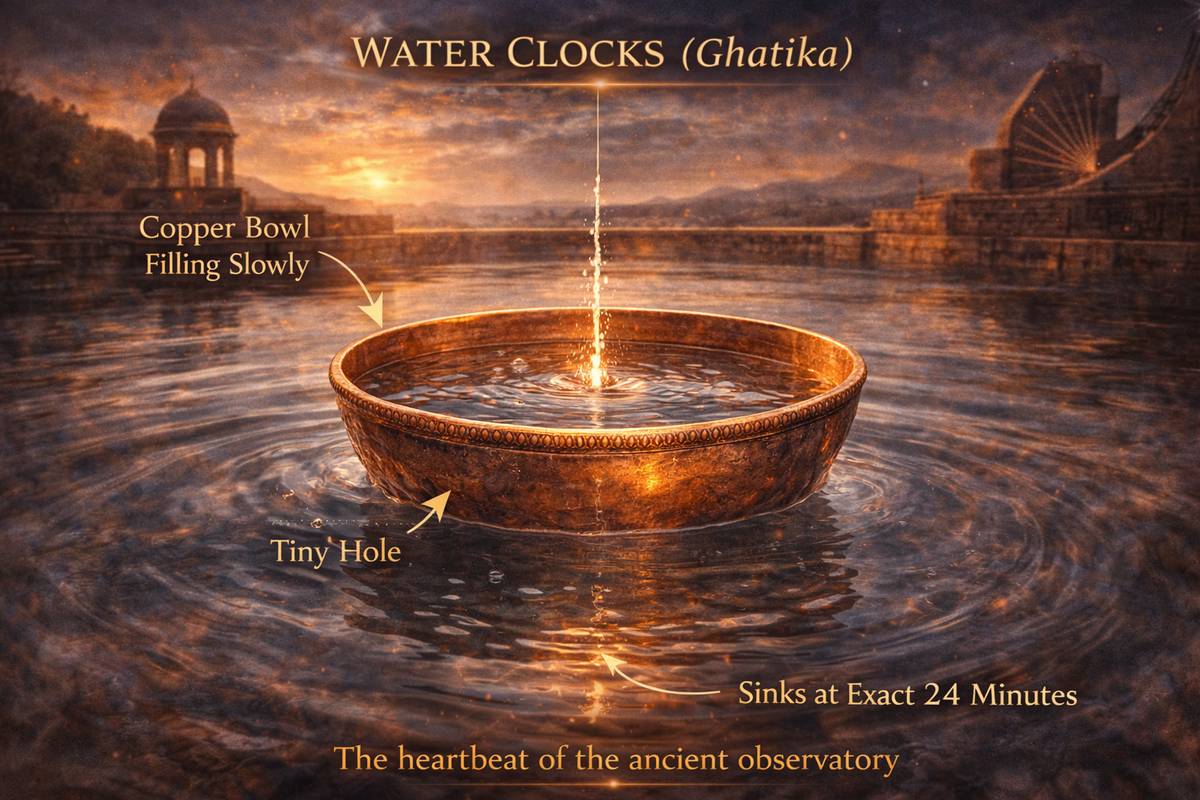
The Concept A water clock, for example, calculates time based [...]
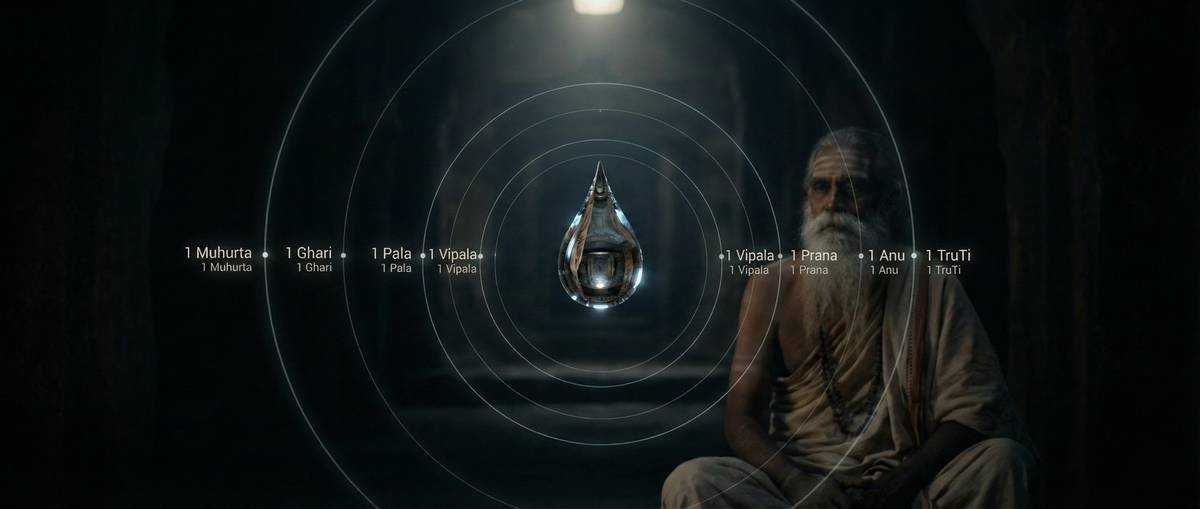
The Concept You may break time down into smaller and [...]